Britain called and we answered
Real-life stories of the Caribbean diaspora.
‘Britain Called & We Answered’ is a project documenting the accomplishments and contributions of Caribbean immigrants who answered the call from the British Government and came to England to help rebuild the country after WW2.
In partnership with the charity Positive Network, the series has been featured in several publications, including Dazed, Creative Review, It's Nice That, The Guardian, and The British Culture Archive.
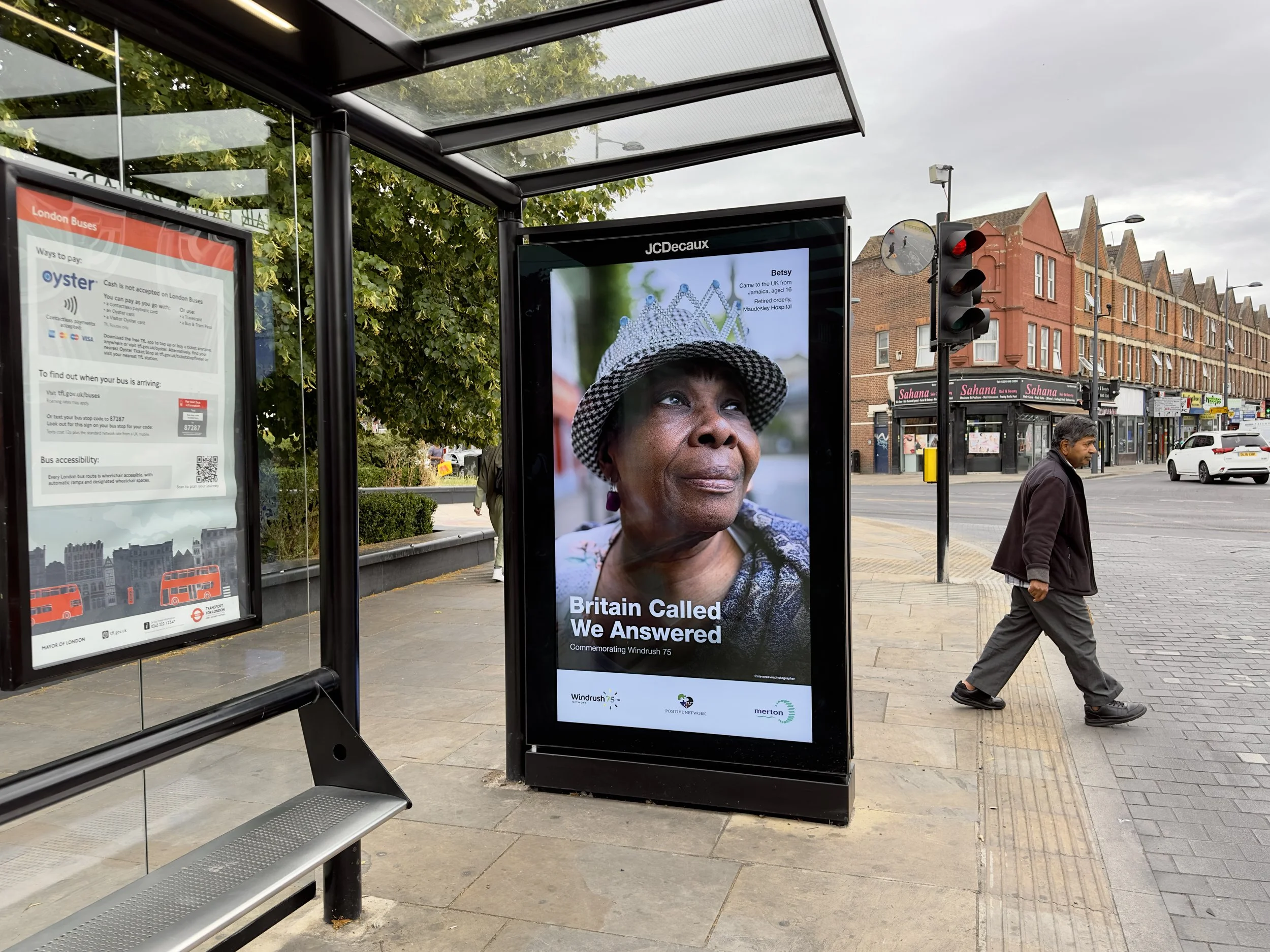
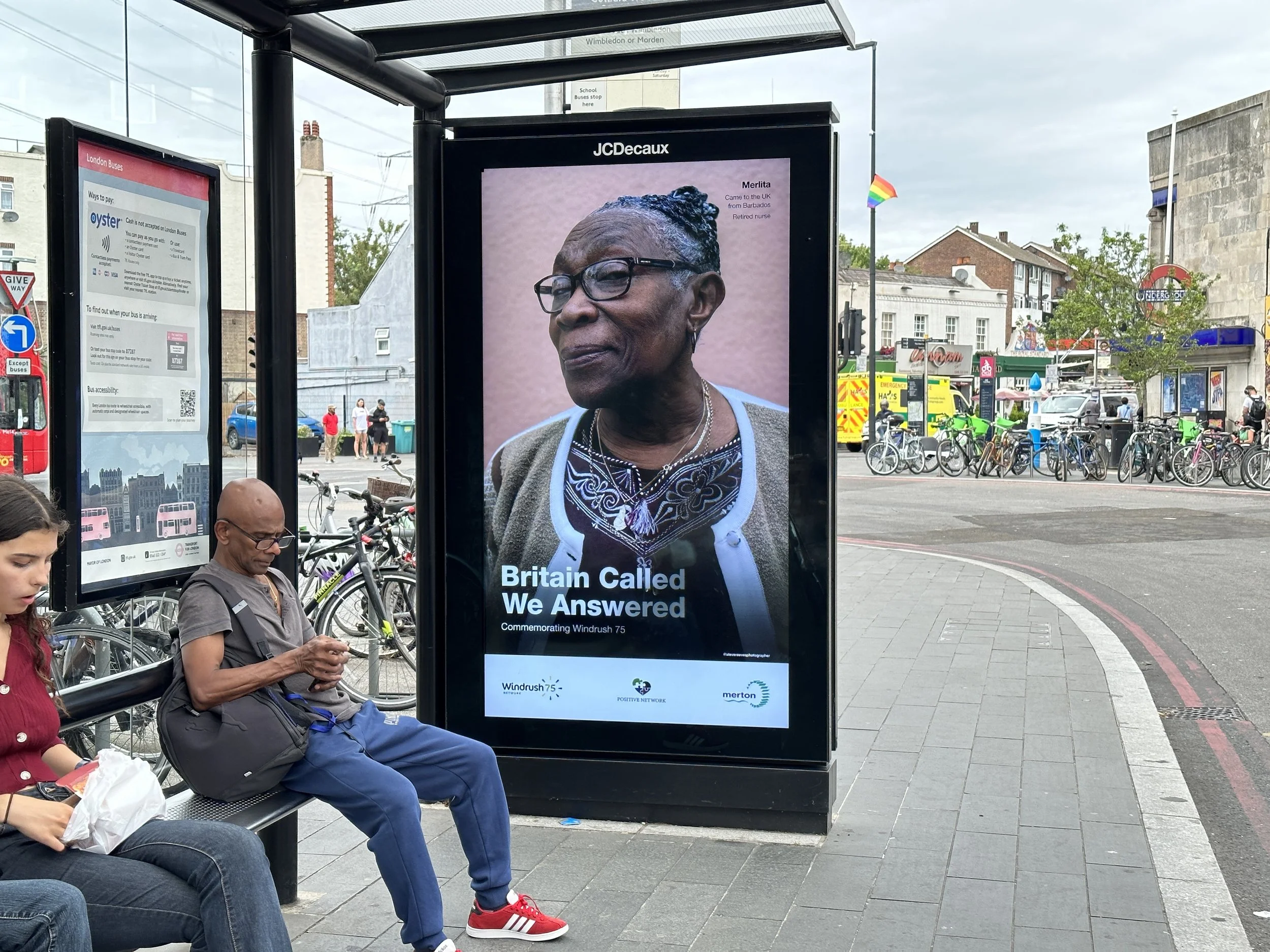
The work has also been displayed at the Houses of Parliament, on poster sites, in libraries, and at council offices around South London as part of the Windrush 75 commemoration.
Below are a few of the stories. The other 40 interviews are in the book that is currently in print. If you’d like a copy, you can pre-order by clicking below.
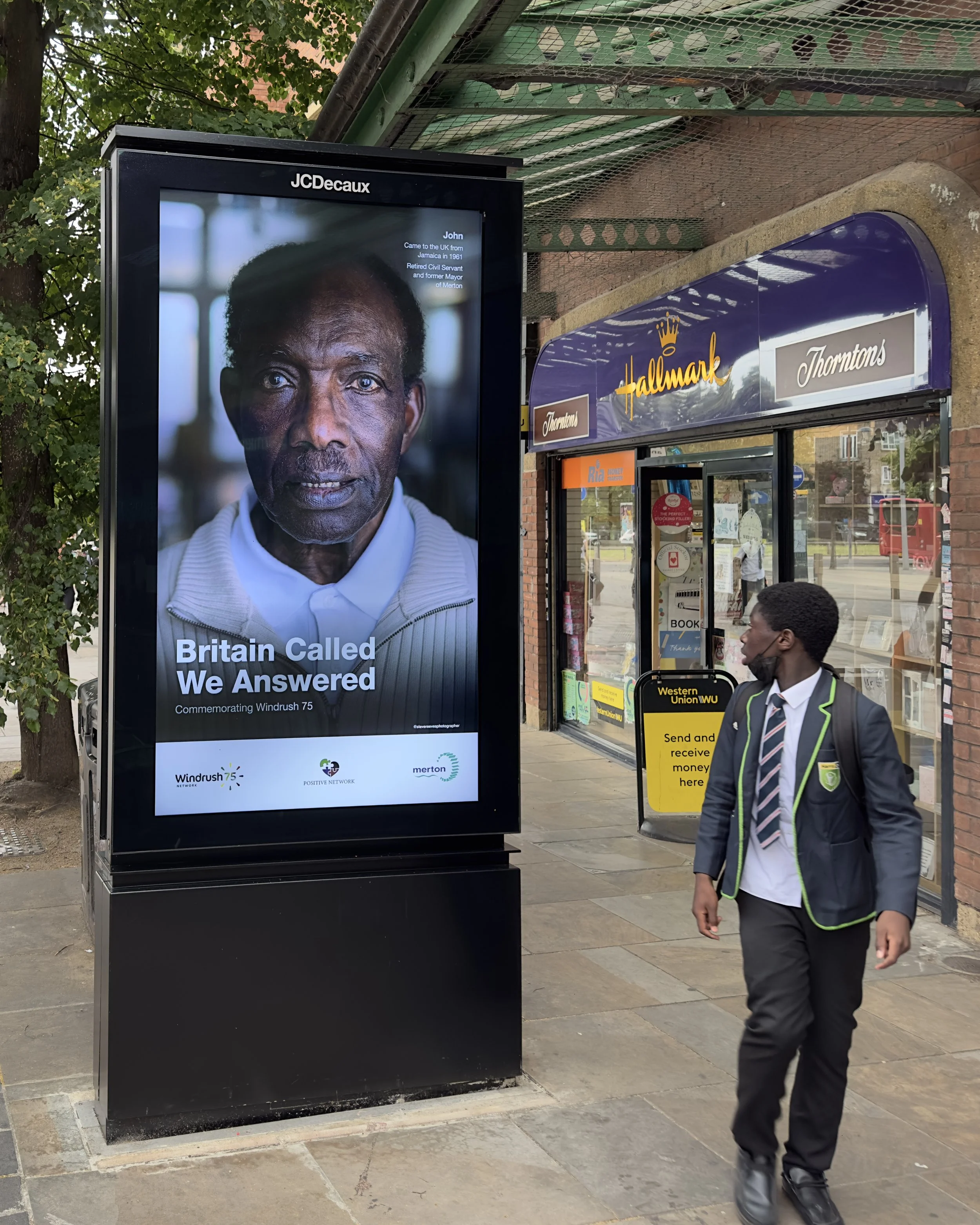
Posters were displayed across South London.
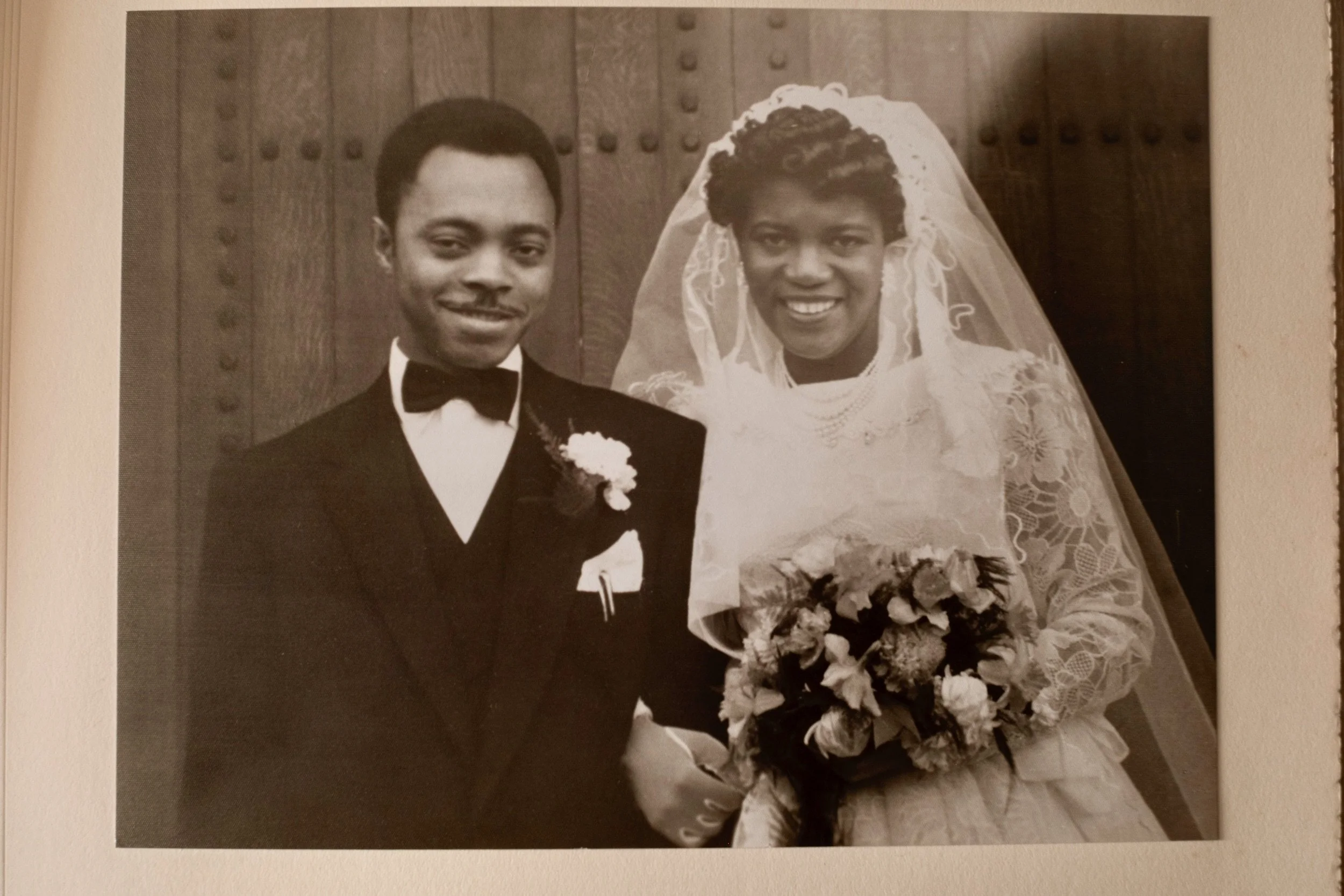
Carmen

Carmen has lived in the same house in Balham for nearly 70 years.
Carmen was born in 1934 in Clarendon, Jamaica. She grew up in the countryside, where her father and his brother managed citrus production in the region. The Lawson brothers (Carmen's maiden name) were well-known locally and among the main employers in the area.
School was basic. Children had to pay for their own books and pencils. If you didn't have a pencil, you'd have to wait until your friend finished to borrow hers. Life was tough, but because Carmen's family was relatively well-off, she didn't have it quite as hard.
When Carmen was 17, she would jump at any chance to visit Kingston, the nearby capital, despite her mother's protestations. She'd tell her mother she was going to visit her aunt, when, in fact, she just wanted to experience the excitement of the city. Kingston in those days was lively and safe. Nobody troubled you, and Carmen thought it was a beautiful place.
She will never forget her first time walking down a Kingston street with houses playing music so loudly that you could "dance off" their music without ever stepping in. Her favourite song back then was "Mona Lisa" by Nat King Cole.
She said that those days are long gone in Kingston. It's a dangerous place now. She showed me a photo of her cousin, a qualified doctor, who was shot dead while sitting in his car there only a few years ago.
On one of her trips to Kingston, Carmen was walking through what was then called Racecourse Park (now National Heroes Park) when a boy called out, "Where are you going, good-looking?" She sucked her teeth and replied, "Why are you going for me?" Later, when she walked back, he was waiting for her. His name was Keith. He was a city boy and knew straight away she was a 'country bumpkin', but he liked her looks.
On their first date, they went to the theatre to see Rose Marie, a popular Western. Back then, Jamaicans loved Westerns and country music, and you are still just as likely to hear Jim Reeves playing on the radio in Jamaica as you are Bob Marley.
Keith worked as a mechanic for a British company with a factory in Kingston. A few weeks after they started dating, he told Carmen he was going to England to work at the main factory in Stockwell, London. His passage was already booked. Carmen thought she'd never see him again, but as soon as Keith arrived in England, he wrote to her, inviting her to join him.
Her mother was furious. It was the time of the Suez Crisis, and she was convinced Britain would soon be at war. But like many 17-year-olds chasing adventure, Carmen ignored her mum. She boarded a ship called The Royal Mail, which was, unsurprisingly, a mail ship carrying mostly letters and parcels from across the Caribbean. There were only about 25 passengers, but Carmen made friends on the voyage and never once felt seasick.
When Carmen's train pulled into the station in London, she immediately saw Keith on the platform, running alongside the carriages, looking in each window to find her. He was holding a warm coat because he knew she'd be cold.
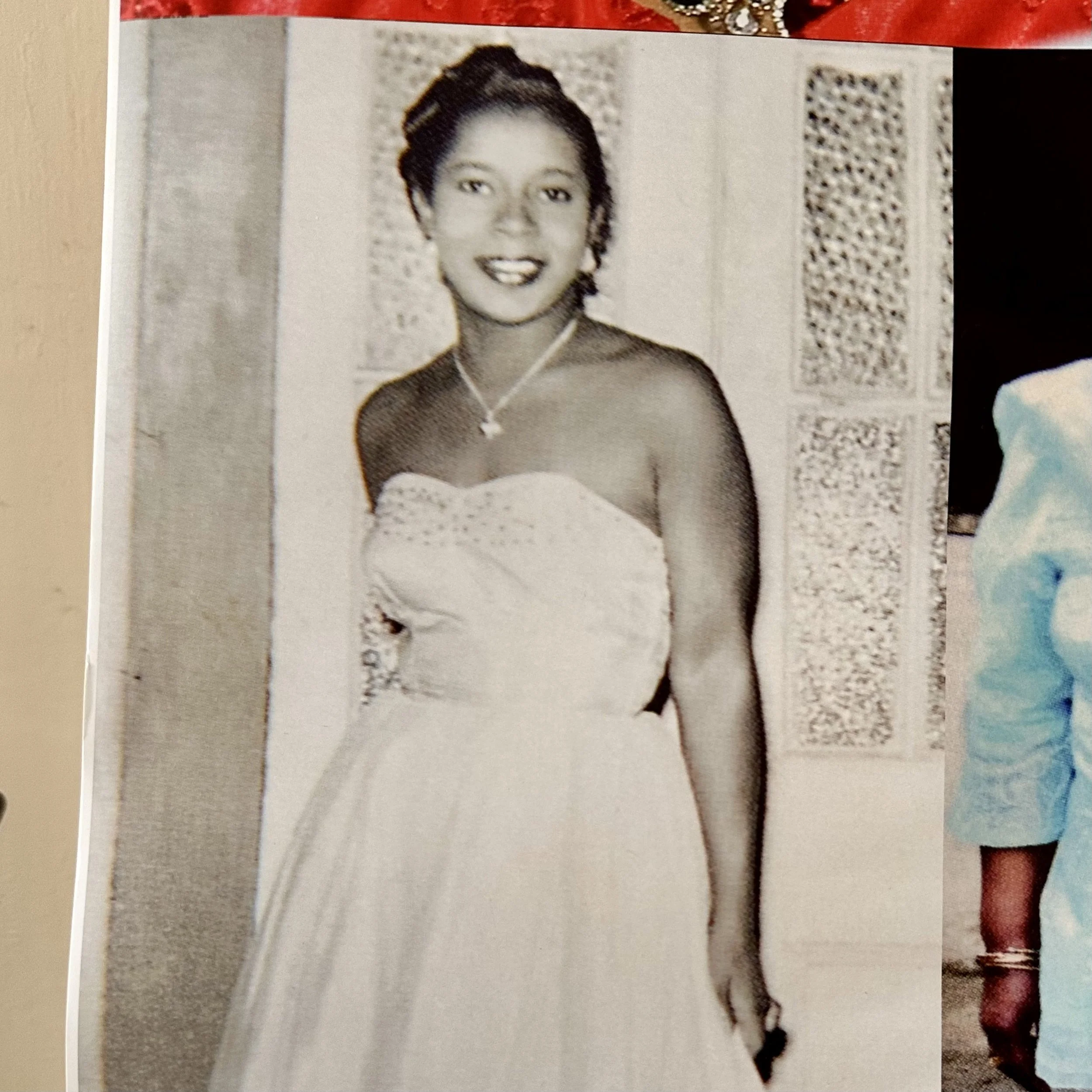
Carmen shortly before leaving for the UK.
Keith was staying at 24 Tantallon Road in Balham, South London, just one room in a house owned by a Jamaican landlord.
Back then, when unscrupulous landlords heard another Caribbean ship was due, they'd give existing tenants notice because they could charge more to the new arrivals. Soon after Carmen arrived, this happened to them. They were told they had a week to leave.
Keith went to the police station on nearby Cavendish Road to complain. The police said no crime had been committed, and they could do nothing.
Meanwhile, Carmen went looking for a new place. On Balham High Road, she saw two smartly dressed Nigerian men and asked if they knew anyone with rooms to let. One of them, who turned out to be a lawyer, said, "Follow me," and took her to his house on Laitwood Road, introducing her to his three wives.
He showed her a room at the back, but it was a strange setup. To reach the kitchen or bathroom, you had to go outside, walk down the alley in the rain, and re-enter through another door. The room had two single beds pushed together and no headboard, but Carmen was desperate and took it.
She was shocked by the living standards in the UK. She had imagined British people would all be wealthy, but here they were, scrubbing floors and wearing scruffy clothes. Her parents' home in Jamaica had been much nicer than the places she saw in Balham. When she wrote home, she didn't dare mention the conditions to her mum.
When she returned to the first house to pack, the Jamaican landlord had already thrown her suitcase onto the street. He may have been a fellow Jamaican, but first and foremost, he was a greedy landlord.
But life in the new place was kinder. Keith and Carmen got on well with their Nigerian landlord and his wives, who treated Carmen like a daughter. Each wife had a small child, and Carmen would often babysit.
She got work as a dressmaker in a factory on Bishopsgate, run by a German Jewish family. They made coats and Ladybird children's clothes for M&S. On her first day, the foreman put her in front of an industrial sewing machine. To get the job, Carmen claimed she could operate it, but had no idea what she was doing. The cotton tangled immediately, and the machine began to smoke.
Panicking, she confided in the woman beside her, who smiled and said, "Don't worry darling," and showed her how to use it properly. Carmen later found out that this woman was the factory owner. They often joked about that day during the 18 years Carmen worked there.
On her lunch breaks, Carmen shopped at Petticoat Market, buying chicken, vegetables, and potatoes. Back then, there was such a labour shortage that every window had signs looking for dressmakers. If your boss was harsh, you could leave at lunchtime and find a new job by the afternoon. But Carmen liked her employers. They gave jobs to her relatives when they arrived in the UK and even lent them money for the airfare.
Over time, Carmen and Keith moved around Balham. She remembers the signs in windows: "No Irish, No Blacks, No Dogs." She would arrange a viewing by phone, but when the landlord saw her face, they'd claim the room was taken. Sometimes, she'd ring again from a phone box using a posh voice and magically was told the room was still available.
Worse was when landlords said, "It's not me. I'd happily rent to you, but the neighbours wouldn't like it."
Thankfully, the couple didn't have to rent for long. Keith and Carmen joined a Pardner saving scheme, pooling money with friends. They saved enough for a deposit and bought their own house with a mortgage from South Western Building Society. Every week, Carmen went to their office opposite Balham Station to pay the instalments.
It's the same house she lives in today, owned outright.
Carmen has seen Balham change so much in the last 70 years. Her street is gentrified now. Families move in, refurbish the house and move on. Then, a new family comes in and does the same again. Meanwhile, Carmen's home is just as it was.
"Posh, people see me walking with my sticks and wonder what I'm doing here. I tell them: 'My dear, I was living here before you were born.'"
She adores her children and says they are very kind to her. When Keith died about four years ago, her daughter invited her to move in, but Carmen values her independence and her home too much to leave.
Perhaps because she once shared pencils at school, education has always mattered to Carmen. She's glad they came to England so her children could get a good education. She's especially proud of her 17-year-old grandson Solomon, who got a place at one of the best selective schools in the area and is about to start a degree in Edinburgh.
"If I win the lottery tomorrow and give you the money, a man can come and steal it," she says. "But if you get an education, it's in your head. Nobody can steal that."
Recently, she discovered a centre for Caribbean elders just down the road from where she lives. She had no idea it existed until one day, when she was sitting at home watching Loose Women, her daughter called and said, "Put a good dress on, mum. I'm taking you for a cup of tea and to meet some nice people." Carmen enjoys it there, talking about old times with others like her.
"All in all," she says, "I've had a good life. The Lord has been good to me a long time now. Apart from my knees and back, I'm feeling fine. I've had them all done by the surgeons, knees, back and feet - the full MOT. But I'm still going. I'm not giving up. There's life in this old bird yet."

Carmen and Keith.
Henry
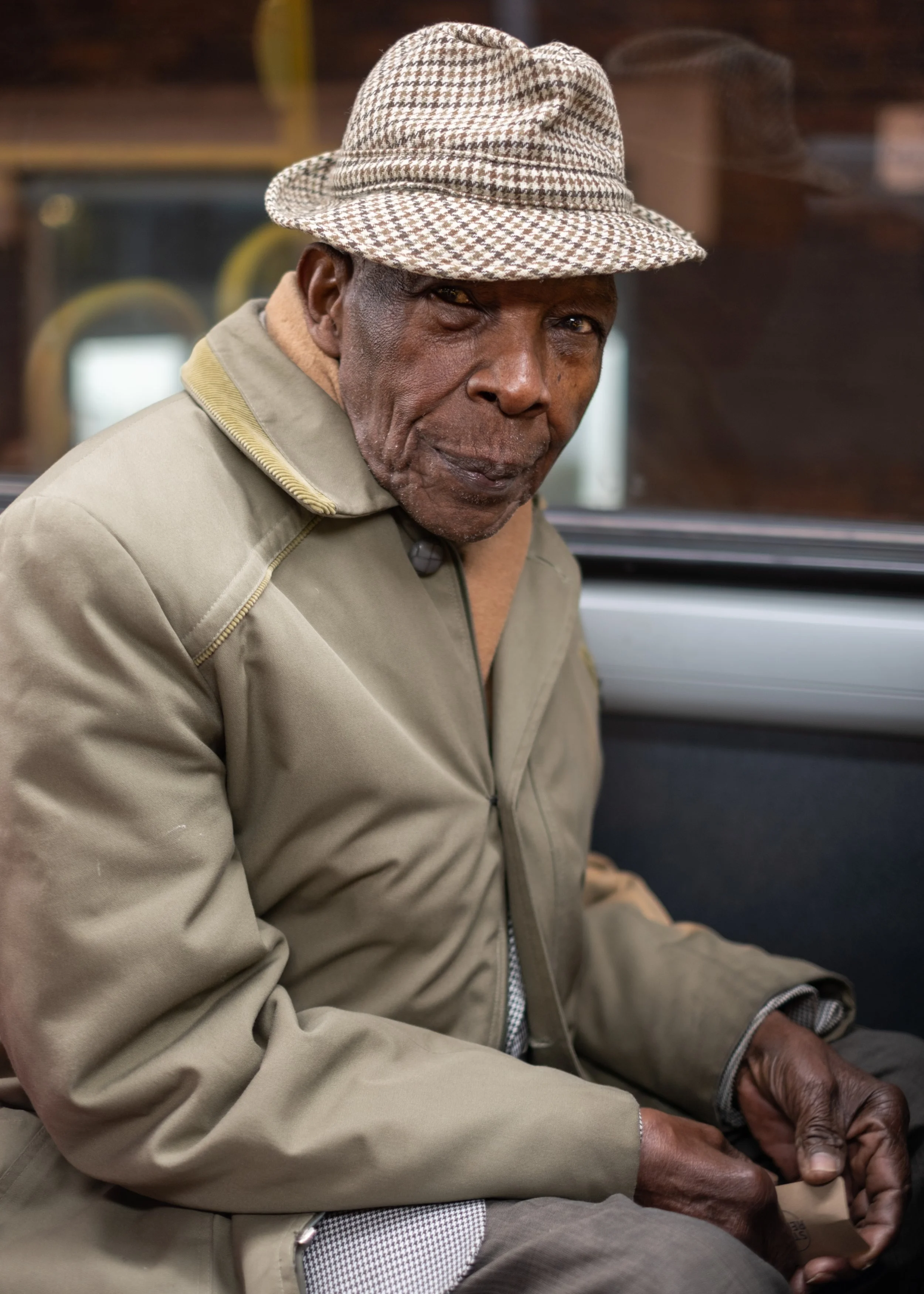
Henry was born in 'Snell Hall' village in St Vincent, Grenada. The village was named after slave owner William Snell. 1720-1779.
On June 15th, 1961, Henry took the boat to England. His mum was so upset that her boy was leaving, that she couldn't bare to look when he got on the bus to take him to the port.
Just a few days after arriving, Henry was working as a carpenter for Wandsworth Council. He'd also found somewhere to live in Shepherd's Bush, so he sent for his wife, Marge, to come over from back home in Grenada.
One of Henry's first jobs was doing the 'shuttering' for the Winstanley Estate in Battersea, which was under construction at the time. Henry's job was to build wooden moulds that concrete was poured into to create the walls of the tower blocks.
Henry and Marge had four children together. When she was in her forties, Marge visited her sister in America. After returning, she was at the market when she had a stroke and died. Henry told me that Marge had always suffered from headaches. "My wife was so good that she died early. It's only the good that die young."
Henry is 94 now, and his eldest child is a pensioner. He walks without a stick and always sits on the top floor of the bus. He said, "When people get to my age, they get aches and pains but lucky for me, I don't have any."
Henry doesn't take any medication and never visits the doctor. "I'm happy in my own way, and I don't worry about nothing. The trouble with people is they all want to be rich. All you should want in life is to see the daybreak - that's all you need."
"I had my little job, I worked for Wandsworth Council until I retired - I still get my pension money from the government - what's better than that?"
"Every day, I'm up at 6am. I get a cup of tea and get out of the house. All I want is to keep going."
Henry told me he was in Clapham because he’d been doing a carpentry job. He always keeps his leather holdall in a Sainsbury's bag. "Because if people see you with a leather briefcase, they will want to steal it."
He told me that even though Marge died 47 years ago, he still has conversations with her in his sleep. Last week, she said, "Have you made up your arrangements for your funeral yet." Henry told me that he replied, "I ain't going nowhere."
"I was born in the gutter, and I lay in the gutter smiling, waiting for the water to take me to the big sea."
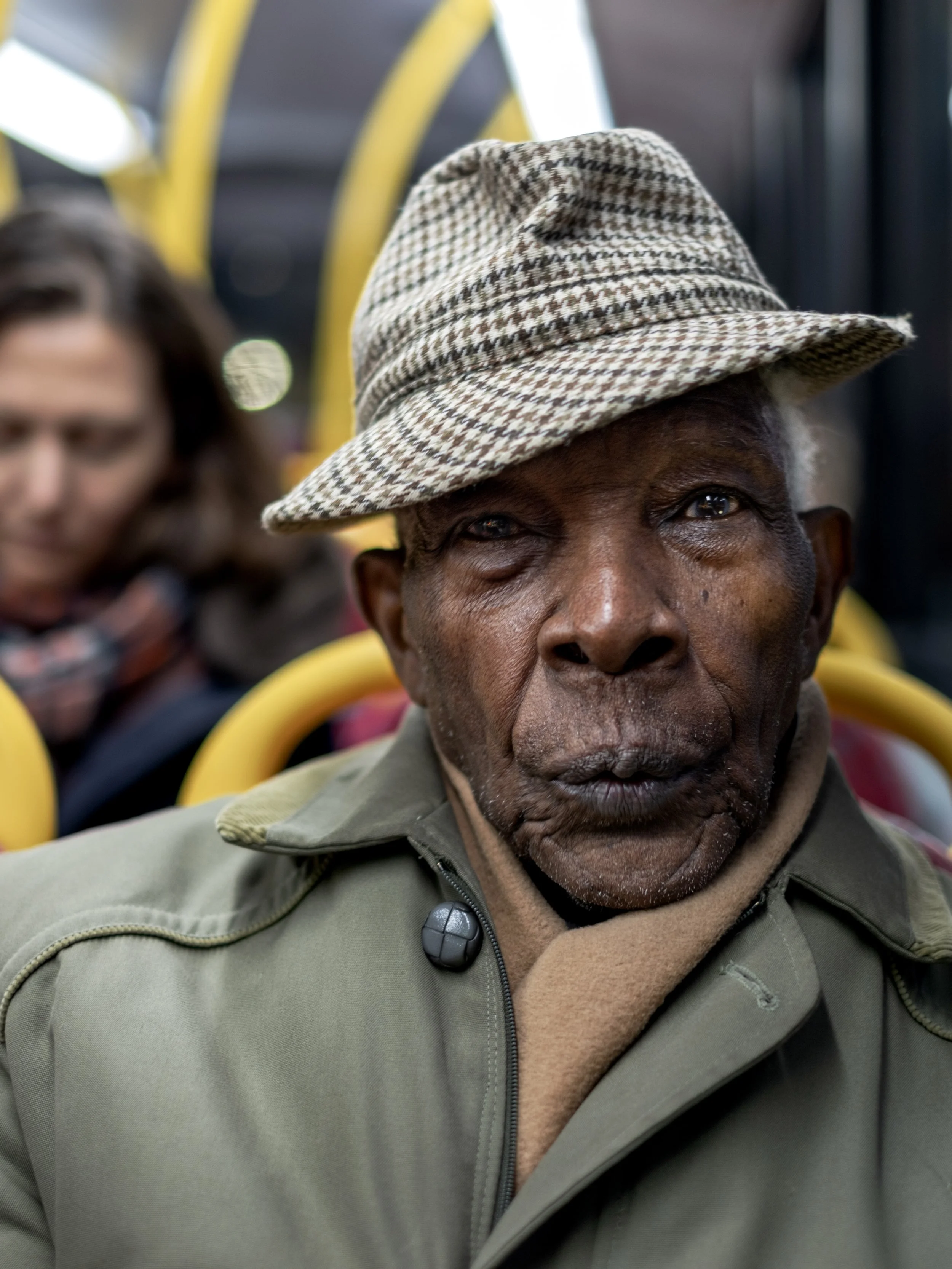
Despite being in his 90s, Henry always sits on the top floor of the bus.
Hyacinth and Israel
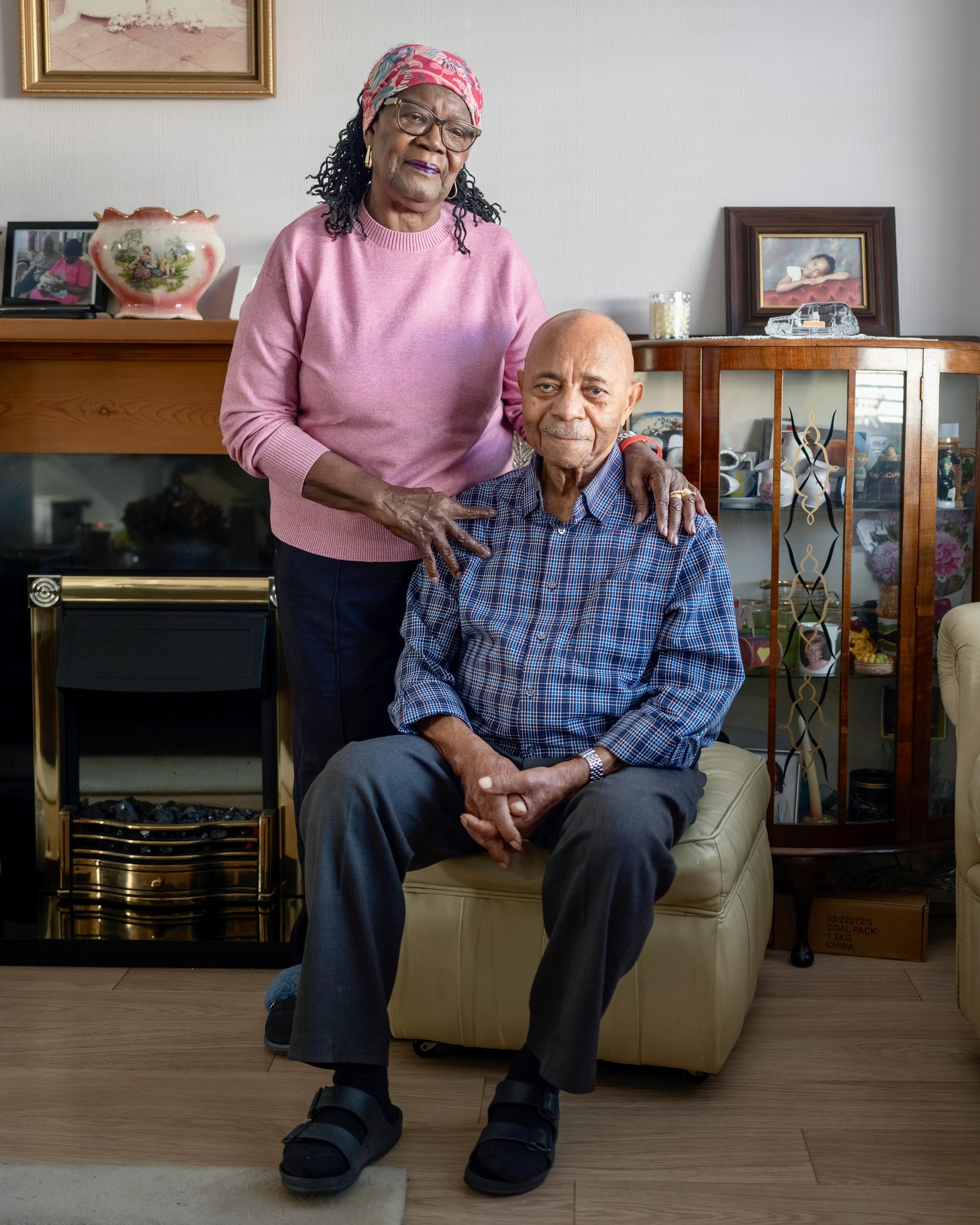
Hyacinth and Israel are from St. Elizabeth, Jamaica. Both of their families were cultivators (farmers).
When Hyacinth was small, her father travelled to England as part of the Windrush generation, working as a carpenter in Brixton.
When she was sixteen, she decided to join him and boarded the SS Arigua, setting sail for England.
Upon arrival, the first thing Hyacinth noticed was how alien British terraced houses looked to her, all attached to one another, as if they were holding each other up. Meeting her father after all their years apart felt just as strange.
She found work as a machinist on Lambeth Walk, quickly adapting from a treadle sewing machine to an electric one.
Israel had planned to go to Cuba like his father and uncle, but in 1956, he changed course when friends began heading to England. He arrived in Kensal Rise and stayed with his sister. Israel couldn't believe how dull Britain was. Everything was so grey, and the smog didn't help. All the cars, houses and shops in Jamaica were clean and bright, whereas everything in London seemed dull and dirty. He thought of returning straight away, but decided to stick it out in England for 5 years, make some money, and go home.
The small Caribbean community around Kensal Rise stuck together, helping one another find rooms and work. Israel was told to go to Euston Station and apply for a job on the railways. He did and became a porter at Watford Junction.
The couple met for the first time in a house in Dalston. Hyacinth was visiting a friend, and Israel was visiting a relative. When they discovered they'd grown up just a few miles apart back home, there was an instant connection. It also transpired that they had arrived in England on the same date, 21/06/56, but on different ships and arriving at different British ports. The pair talked for hours and arranged to go to the pictures at Elephant and Castle. A year on, they married in Kilburn.
Back then, the couple had mixed feelings about the locals. Some were kind, but others were openly hostile. Hyacinth remembers queuing up in shops and watching white people step in front of her as if it were their right, and being told to 'go back where you come from' when she objected.
They lived first in Israel's sister's spare room, then moved into a flat in Stoke Newington. Property in London was much cheaper back then. For Caribbean people, it was often easier to save up and buy a place than rent, since landlords frequently refused to accept people of colour. The couple saved, and together with Israel’s cousin and her husband, bought a house. One family lived upstairs, and the other downstairs. By then, Israel was a van driver for the Post Office delivering parcels all over London, and around this time, Hilary, their first child, was born, followed by two more daughters.
When the kids were small, Hyacinth did machining work from home. But once they were at school, she worked as a home help with Haringey Council, working her way up to the position of Emergency Responder for sheltered housing. She went on to work for the council for 35 years. Israel trained to become a London Cab Driver. The Knowledge came naturally as he already knew the streets from the Post Office. He loved the job and met his share of famous faces: Sammy Davis Jr., Omar Sharif, Sir John Mills, and even Dot Cotton from EastEnders.
Life was going good, their kids grew, and grandkids started to appear. But tragedy struck when, in 2001, Kimberly, their oldest grandchild, died from Sudden Arrhythmic Death Syndrome (SADS). She was just 18 years old.
Hyacinth was devastated, and the stress caused Israel to lose his hair. But families are resilient - Hilary, Kimberly's mum, works with the SADS UK charity to raise funds for defibrillators in schools and colleges, and Hyacinth has completed fun runs to raise money. It may have been 24 years ago, but both Israel and Hyacinth teared up when they showed me the many framed photos of Kimberly displayed all over their house. Hyacinth recently moved their burial plot, so when the time comes, she'll rest near her granddaughter.
After 68 years of marriage, the couple tease each other the way long-term couples do. Hyacinth jokes that she's been stuck with Israel since she was just 18 and that he winds her up. Israel rolls his eyes and says that they get on like 'a cat and a dog'. But then, they both talk about their daughters with unshakeable pride.
Days are spent at the leisure centre, swimming, and at the gym for Israel, and Zumba, yoga, and Pilates for Hyacinth.
Every Wednesday, the whole family comes over. The grandchildren have their own keys. Hyacinth cooks up a meal; something big, like a roast or a curry. I asked if Israel ever cooks, and before he could answer, Hyacinth said, "He can't cook; he burns water."
Hyacinth and Israel came here young. They built a home, raised three daughters and surrounded themselves with family.
They faced the cold, the smog, the stares, the comments, and the grief that no family should carry.
But throughout it all, they carried on. England wasn't always warm, but together, Hyacinth and Israel forged a warmth of their own.